Food packaging is often seen as a simple container used to carry or store food, yet it plays a far more important role than many people realize. Food-safe packaging directly affects human health, food quality, and the reputation of businesses that handle food. From households and street vendors to restaurants, caterers, and supermarkets, the type of packaging used can determine whether food remains fresh, safe, and appealing or becomes a health risk.
In today’s world, where consumers are more health-conscious and regulations are stricter, food-safe packaging is no longer optional. It is a critical part of responsible food handling and sustainable business practice.
Understanding Food-Safe Packaging
Food-safe packaging refers to materials that are specifically designed to come into direct contact with food without causing contamination. These materials do not release harmful chemicals, odors, or substances into food, even when exposed to heat, moisture, or oils.
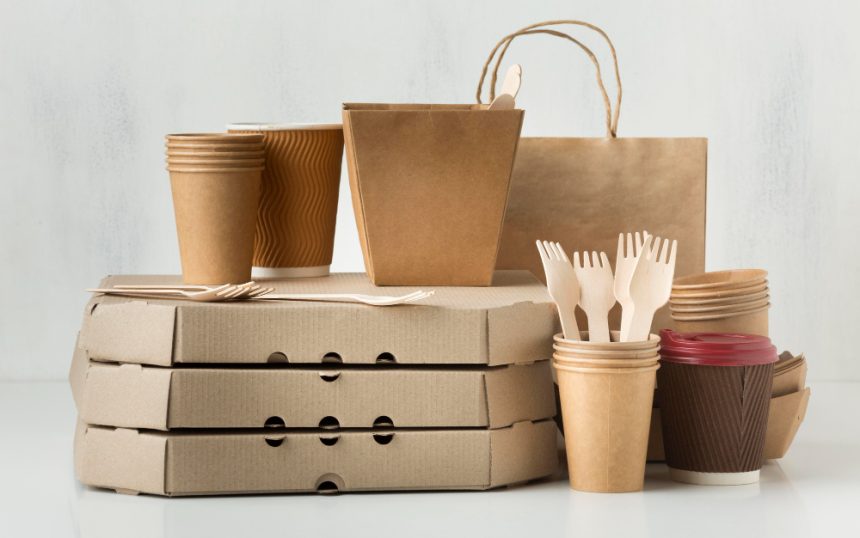
Examples of food-safe packaging include properly manufactured plastic containers, kraft paper cups, takeaway boxes, cling wraps, and disposable cutlery that meet food safety standards. These products are tested to ensure they do not alter the taste, smell, or composition of food.
Using non-food-grade packaging, on the other hand, can expose consumers to serious health risks and expose businesses to legal and reputational damage.
Protecting Consumer Health
One of the most important reasons food-safe packaging matters is health protection. Unsafe packaging materials may contain chemicals that can migrate into food, especially when food is hot, oily, or acidic. Over time, consuming food exposed to such substances can contribute to health problems.
Food-safe packaging helps prevent:
- Chemical contamination from plastics or inks
- Bacterial growth caused by improper sealing
- Cross-contamination during handling and transport
- Exposure to toxins released by non-certified materials
For households, this means safer meals for families. For businesses, it means protecting customers and fulfilling a duty of care that every food supplier must uphold.
Maintaining Food Freshness and Quality
Packaging does more than hold food. It plays a major role in preserving freshness, texture, and taste. Food-safe packaging is designed to create a protective barrier against air, moisture, dust, and microbes.
Proper packaging helps:
- Retain food flavor and aroma
- Prevent food from drying out or becoming soggy
- Reduce spoilage and waste
- Maintain food appearance and presentation
For restaurants and caterers, packaging that keeps food fresh during transport is essential for customer satisfaction. A meal that arrives intact, warm, and appetizing reflects professionalism and care.
Building Trust with Customers
Customers may not always notice packaging immediately, but they feel its impact. When food is neatly packed, hygienic, and secure, customers associate the business with quality and reliability.
Using food-safe packaging sends a strong message that a business values health, hygiene, and professionalism. This builds confidence and trust, especially for repeat customers who rely on consistent quality.
In contrast, poorly packaged food can raise doubts about cleanliness and safety, even if the food itself is well prepared. Trust is difficult to regain once it is lost.
Meeting Health and Safety Regulations
Food businesses are subject to health regulations that require safe handling and packaging of food. Regulatory authorities expect businesses to use approved materials that comply with food safety standards.
Failure to meet these requirements can result in:
- Fines or penalties
- Forced closure or suspension of operations
- Loss of licenses or permits
- Legal claims from affected customers
By using certified food-safe packaging, businesses reduce risk and demonstrate compliance with industry standards. This protects both the business and its customers.
Enhancing Brand Image and Professionalism
Packaging is part of a business’s brand identity. Clean, durable, and well-designed packaging improves the overall customer experience and reinforces a professional image.
Food-safe packaging supports branding by:
- Creating a neat and consistent presentation
- Allowing clear labeling and product information
- Supporting takeaway and delivery services
- Differentiating the business from competitors
Customers often judge food quality by its packaging before even tasting it. Professional packaging helps small businesses compete with larger brands by projecting reliability and attention to detail.
Supporting Sustainable and Responsible Practices
Many food-safe packaging solutions are now designed with environmental responsibility in mind. Kraft paper cups, recyclable containers, and biodegradable materials help reduce environmental impact while maintaining food safety.
Sustainable food-safe packaging benefits businesses by:
- Aligning with environmentally conscious consumers
- Reducing waste and pollution
- Supporting responsible sourcing and production
- Enhancing corporate social responsibility
Consumers are increasingly choosing businesses that demonstrate concern for both health and the environment. Responsible packaging choices can influence purchasing decisions and brand loyalty.
Reducing Food Waste and Business Losses
Food spoilage caused by poor packaging leads to unnecessary waste and financial loss. Food-safe packaging helps extend shelf life and reduce the likelihood of damage during storage and transport.
For businesses, this means:
- Fewer customer complaints
- Lower replacement and refund costs
- Better inventory management
- Improved profit margins
For households, it means less food thrown away and better value for money. Over time, proper packaging contributes to efficiency and sustainability.
Why Food-Safe Packaging Is an Investment, Not a Cost
Some businesses hesitate to invest in quality packaging due to perceived cost. However, food-safe packaging should be viewed as an investment in health, reputation, and long-term success.
The benefits far outweigh the initial cost because food-safe packaging:
- Protects customers from health risks
- Reduces legal and regulatory exposure
- Improves customer satisfaction and retention
- Strengthens brand credibility
- Supports business growth and scalability
Cutting corners on packaging may save money in the short term but can result in greater losses in the long run.
Conclusion
Food-safe packaging is a vital component of both healthy living and successful food businesses. It protects consumers, preserves food quality, ensures regulatory compliance, and enhances brand trust. Whether for home use or commercial operations, the right packaging makes a meaningful difference.
As consumers become more informed and standards continue to rise, businesses that prioritize food-safe packaging position themselves for long-term growth and credibility. Investing in proper packaging is not just about meeting requirements. It is about caring for people, protecting quality, and building a trusted name in the market.
Food safety starts not only in the kitchen, but also in the packaging that carries food from preparation to consumption.